⭐ ⭐ ⭐ ⭐ ⭐ 4,92/5 🔵✓
Updated August 2026
If you’re searching for ZenCortex side effects, you’re probably wondering whether this supplement is safe, what ingredients it contains, and whether it can interact with medications.
Those are important questions.
ZenCortex is a liquid dietary supplement marketed primarily around hearing and tinnitus support. Its current label contains 23 active ingredients, including herbal extracts, amino acids, chromium, and other compounds. A pharmacist-reviewed analysis based on NIH Dietary Supplement Label Database data identifies potential interactions involving the formula, with some rated as major.
That doesn’t mean ZenCortex is dangerous for everyone.
It does mean that “natural” does not automatically mean risk-free, particularly if you take prescription medications or have an existing medical condition.
In this article, we’ll look at the ingredients, potential side effects, medication interactions, customer experiences, and the questions you should consider before deciding whether to use ZenCortex.
Important: This article is for informational purposes only. It is not medical advice and does not diagnose, treat, or prevent any disease. If you take medication or have a medical condition, speak with a qualified healthcare professional before using a dietary supplement.
ZenCortex Side Effects: Quick Answer
The potential side effects of ZenCortex depend largely on its individual ingredients and on the person taking the supplement.
The current label lists 23 active ingredients, and a pharmacist-reviewed interaction analysis identifies 1,663 potential medication interactions across those ingredients, with the most serious interaction category rated as major. The ingredients highlighted as particularly relevant to interactions include green tea leaf extract, eleuthero root extract, and Asian ginseng root extract.
This number should not be interpreted as meaning that ZenCortex will interact with 1,663 medications in every person.
Rather, it reflects the number of medication interactions identified across the individual ingredients in the formula.
That’s why your personal medications and health history matter.
What Is ZenCortex?
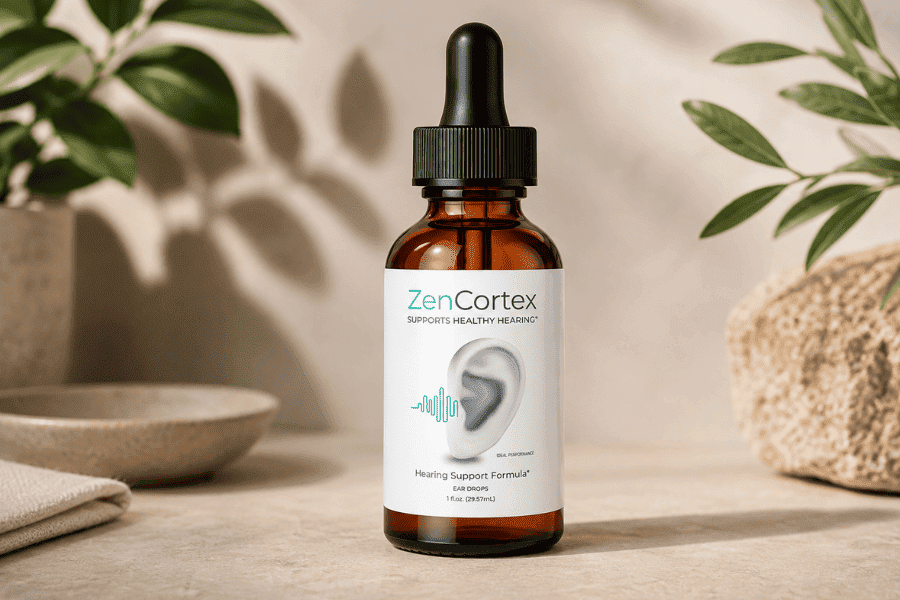
ZenCortex is a liquid dietary supplement containing a combination of botanical extracts, amino acids, and other nutrients.
The current label information reviewed through the NIH Dietary Supplement Label Database lists a 1 mL serving size and 60 servings per container.
The formula contains a relatively large number of ingredients.
That can make a supplement look comprehensive, but it also means there are more individual ingredients to consider when evaluating potential interactions.
And that’s particularly relevant when discussing ZenCortex side effects.
What Ingredients Are in ZenCortex?
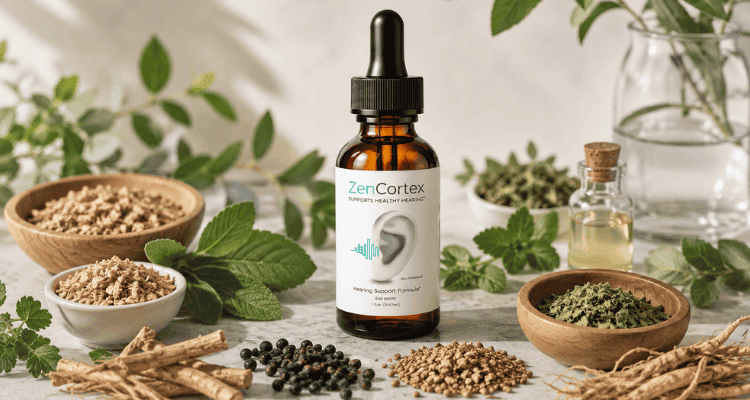
The current label lists 23 active ingredients, including:
- Chromium
- L-Arginine
- L-Glutamine
- L-Tyrosine
- L-Ornithine
- L-Tryptophan
- L-Carnitine
- Beta-Alanine
- Grape Seed Extract
- Green Tea Leaf Extract
- Asian Ginseng Root Extract
- Eleuthero Root Extract
- Guarana
- Astragalus
- Gymnema
- Maca
- African Mango
- Raspberry Ketones
- Grapefruit Seed Extract
- Forskohlii
- GABA
- Bird Pepper
- Monoammonium Glycyrrhizinate
Not every ingredient has the same safety profile.
Some may affect blood sugar, blood pressure, the nervous system, or how certain medications are metabolized.
That’s why looking at the formula as a whole is more useful than simply saying that every ingredient is “natural.”
What Are the Possible ZenCortex Side Effects?
There isn’t enough evidence to say that everyone who takes ZenCortex will experience a particular set of side effects.
Instead, potential reactions can depend on the individual ingredients.
Possible concerns may include:
- Digestive discomfort
- Headache
- Changes in blood pressure
- Changes in blood sugar
- Nervousness or stimulation
- Sleep-related effects
- Allergic reactions
- Medication interactions
These possibilities don’t mean that ZenCortex necessarily causes them.
They are reasons to evaluate the ingredients and your personal situation before taking the supplement.
Why the Ingredients Matter
A common mistake when evaluating supplements is to look only at the product’s intended benefit.
For example:
“It’s a hearing supplement, so I only need to worry about hearing.”
That’s not necessarily how supplement safety works.
An ingredient may affect a completely different biological system.
For example, some ingredients in ZenCortex are associated with blood sugar regulation, while others may affect cardiovascular or neurological pathways.
The pharmacist-reviewed analysis specifically identifies potential interactions involving several ingredients in the formula.
Therefore, the most important question isn’t simply:
“Does ZenCortex have side effects?”
It’s:
“Could any ingredient in ZenCortex interact with my medications or health conditions?”
ZenCortex and Medication Interactions

This is arguably the most important part of the article.
The current pharmacist-reviewed analysis reports potential interactions across the formula and identifies the most serious interaction category as major.
The analysis highlights ingredients such as:
Green Tea Leaf Extract
Green tea extract can interact with certain medications and may affect how some drugs are processed or how they work.
Asian Ginseng
Ginseng can interact with certain medications and may be relevant for people managing blood sugar or taking drugs that affect clotting.
Eleuthero
Eleuthero may also interact with medications and deserves particular attention when combined with other substances.
L-Arginine
L-arginine can affect blood vessels and may therefore be relevant for people taking medications that influence blood pressure or circulation.
L-Tryptophan
L-tryptophan can affect serotonin-related pathways and deserves caution when combined with certain medications.
The important point is that you shouldn’t try to determine your personal interaction risk from a general article alone.
A pharmacist or doctor can evaluate the exact medications you’re taking.
Who Should Be Especially Careful With ZenCortex?
Some people should be more cautious than others.
You should speak with a healthcare professional before taking ZenCortex if you:
- Take prescription medications
- Take multiple medications
- Have diabetes or blood-sugar problems
- Have cardiovascular or blood-pressure concerns
- Take medication that affects blood clotting
- Take medication affecting the nervous system
- Have a known allergy to any ingredient
- Are pregnant or breastfeeding
- Are preparing for surgery
- Have an existing medical condition
This isn’t because ZenCortex is automatically unsafe for these groups.
It’s because individual risk can change significantly depending on your health and medications.
Can ZenCortex Cause Dizziness or Headaches?
Some consumers have mentioned symptoms such as dizziness or headaches in their experiences with the product.
However, customer reports cannot establish that ZenCortex caused those symptoms.
For example, one BBB reviewer reported dizziness and headaches after stopping ZenCortex, while also saying they had previously experienced dizziness associated with vertigo.
That illustrates an important point:
A symptom occurring while someone uses or stops a supplement does not automatically prove the supplement caused it.
There can be many possible explanations.
If you experience persistent or severe dizziness, headaches, hearing changes, or other concerning symptoms, it’s better to seek medical evaluation rather than trying to diagnose the cause yourself.
Can ZenCortex Cause Tinnitus Problems?
This is particularly important because ZenCortex is marketed around hearing and tinnitus support.
Customer experiences are mixed.
One BBB reviewer reported reduced ear ringing after using ZenCortex for approximately 18 months. Another customer reported using the product for six months without experiencing any improvement.
These reports show that experiences can vary significantly.
They do not establish that ZenCortex causes tinnitus, cures tinnitus, or reliably improves tinnitus.
If you experience sudden hearing loss, persistent ringing, severe dizziness, or other new hearing-related symptoms, don’t rely on a supplement as a substitute for professional evaluation.
What Are Customers Saying About ZenCortex Side Effects?
Interestingly, many public customer reviews focus more on effectiveness, cost, refunds, and customer service than on clearly documented physical side effects.
The BBB currently lists 12 customer reviews with an average rating of 1.75 out of 5.
Some reviewers say ZenCortex didn’t improve their tinnitus.
Others describe positive experiences.
For example, a February 2026 reviewer reported reduced ear ringing and relief from dizziness associated with vertigo after using ZenCortex for around 18 months.
Meanwhile, other reviewers reported using the product for several months without noticing improvement.
This is why customer reviews should be treated as personal experiences rather than clinical evidence.
ZenCortex Complaints and Refund Concerns
Safety isn’t the only issue consumers should investigate.
The BBB currently lists two complaints within its three-year reporting period.
The complaints include allegations involving customer service and product/refund issues.
There are also BBB records involving ZenCortex-related transactions through other businesses, including a 2026 complaint in which a consumer alleged they received only a partial refund despite believing a 100% money-back guarantee applied.
These are consumer allegations and should not automatically be treated as proof that every customer will have the same experience.
Still, they’re worth considering when deciding whether to purchase.
Is ZenCortex Safe?
Interested in learning more about ZenCortex?
After reviewing the ingredients, potential interactions, and safety considerations, you can visit the official product page for additional product information.
→ View the Official ZenCortex Offer
There’s no responsible way to answer that with a simple yes or no for everyone.
The current formula contains many active ingredients, and the pharmacist-reviewed data identifies numerous potential medication interactions.
For a healthy adult who isn’t taking medication, the risk profile may be different from someone taking several prescriptions.
That’s why a personalized safety assessment is more useful than a generic internet verdict.
Our recommendation:
If you take medication or have a medical condition, talk with your doctor or pharmacist before using ZenCortex.
What We Like About the Formula
Want to learn more about ZenCortex?
You can visit the official product page to review the product information and current details before making a decision.
A balanced review shouldn’t focus exclusively on potential problems.
There are some positive aspects worth mentioning.
Liquid format
Some consumers prefer liquid supplements because they find them easier to take than capsules.
Broad formula
ZenCortex contains a wide range of ingredients rather than relying on a single compound.
Ingredient information is available
The current label information is accessible through the NIH Dietary Supplement Label Database, which gives consumers something concrete to examine.
But these positives don’t eliminate the need to consider interactions.
What Concerns Us?
There are three main concerns I’d pay attention to.
1. Many active ingredients
More ingredients can mean more potential interactions.
2. Medication interactions
The current pharmacist-reviewed analysis identifies a substantial number of potential drug interactions across the formula.
3. Mixed customer experiences
Some customers report benefits, while others report no meaningful improvement.
For that reason, I wouldn’t recommend buying ZenCortex solely because of testimonials or marketing claims.
How to Reduce Your Risk Before Taking ZenCortex
If you’re considering using the product, take a few basic steps first.
1. Check the complete ingredient list
Don’t rely solely on the front of the bottle.
2. Check your medications
Give the exact product label to your pharmacist.
3. Don’t assume natural means harmless
Plant-based ingredients can still interact with medications.
4. Don’t use it to delay medical care
Hearing loss and persistent tinnitus can have many causes.
5. Monitor how you feel
If you experience concerning symptoms after starting a supplement, stop and seek appropriate medical advice.
6. Keep your expectations realistic
A supplement shouldn’t be treated as a guaranteed solution.
Is ZenCortex Worth Trying?
This is ultimately a personal decision.
If you’re interested in ZenCortex because you’re looking for support for tinnitus or hearing concerns, I’d first make sure you understand the possible causes of your symptoms.
Then consider:
Ingredients → medication interactions → evidence → customer experiences → cost → refund terms
rather than making the decision based on a single testimonial.
For someone taking multiple medications, the interaction question may be more important than the potential benefits.
ZenCortex Side Effects: Final Verdict
Still interested in ZenCortex?
If you’ve reviewed the potential side effects, ingredients, customer experiences, and safety considerations, you can visit the official product page to learn more.
→ Check the Official ZenCortex Offer
So, does ZenCortex have side effects?
The most responsible answer is:
ZenCortex contains multiple active ingredients that can potentially cause adverse effects or interact with medications, but the available information does not establish that every user will experience side effects.
The current label contains 23 active ingredients, and pharmacist-reviewed data identifies potential interactions involving the formula, including some classified as major.
Customer experiences are also mixed, with some people reporting benefits and others reporting no improvement.
Therefore, I would not describe ZenCortex as automatically unsafe.
But I also wouldn’t describe it as risk-free.
Our overall recommendation:
Research the ingredients, check for medication interactions, and speak with a healthcare professional before using ZenCortex if you take medication or have an underlying health condition.
That’s a more responsible approach than either blindly recommending the supplement or calling it dangerous without evidence.
Read Our Other ZenCortex Reviews
If you’re researching the product before buying, these articles can help you look at it from different angles:
→ ZenCortex Review
Our complete analysis of the product, ingredients, benefits, pricing, and overall value.
→ ZenCortex Reviews Consumer Reports
A broader look at customer feedback, complaints, evidence, and what buyers should know.
→ ZenCortex Reviews and Complaints
A focused examination of negative experiences, customer service, refunds, and complaints.
Frequently Asked Questions
What are the most common ZenCortex side effects?
There isn’t enough reliable evidence to establish a single set of common side effects for the finished product. Potential concerns depend on its individual ingredients and the person taking it.
Can ZenCortex interact with medications?
Yes. A pharmacist-reviewed analysis based on the current label identifies numerous potential medication interactions across its 23 ingredients.
Is ZenCortex safe?
It may not be appropriate for everyone. People taking medication or managing a medical condition should speak with a healthcare professional before using it.
Can ZenCortex cause dizziness?
A customer review mentions dizziness in the context of using and stopping ZenCortex, but a customer report cannot establish that ZenCortex caused the symptom.
Can ZenCortex cure tinnitus?
This article does not support that claim. Customer experiences are mixed, and a supplement should not be presented as a guaranteed treatment for tinnitus.
Should I stop taking ZenCortex if I experience a concerning symptom?
If you experience a serious or unexpected symptom, seek appropriate medical advice promptly. If you’re unsure whether the supplement or another factor is responsible, a healthcare professional can help evaluate the situation.